
Winter Home Prep in Southeast Michigan: The 2026 Ultimate Winterization Checklist
Winter in Southeast Michigan brings stunning snowy views, but it also delivers sub-zero temperatures, lake-effect snow, and freezing ice dams. Whether you own a classic brick ranch in Royal Oak or a historic home in Detroit, preparing your home before the deep freeze settles in is crucial to protecting your property value and keeping utility bills manageable.
To help local homeowners navigate the seasonal shift, the team at Gilson Home Group has put together this essential winterization checklist tailored specifically to Metro Detroit weather.
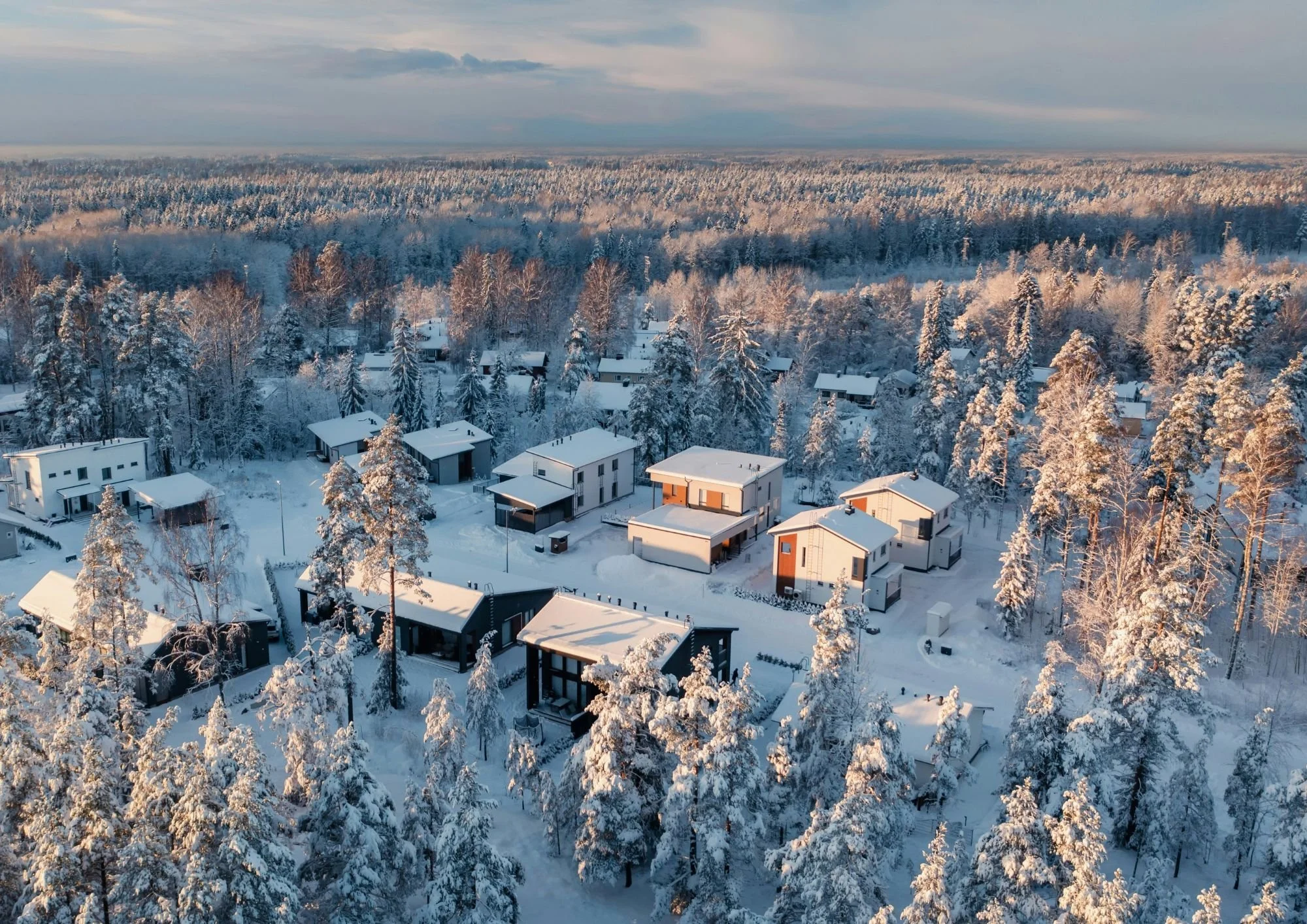
Exterior & Roof Protection: Stop Ice Dams Before They Start
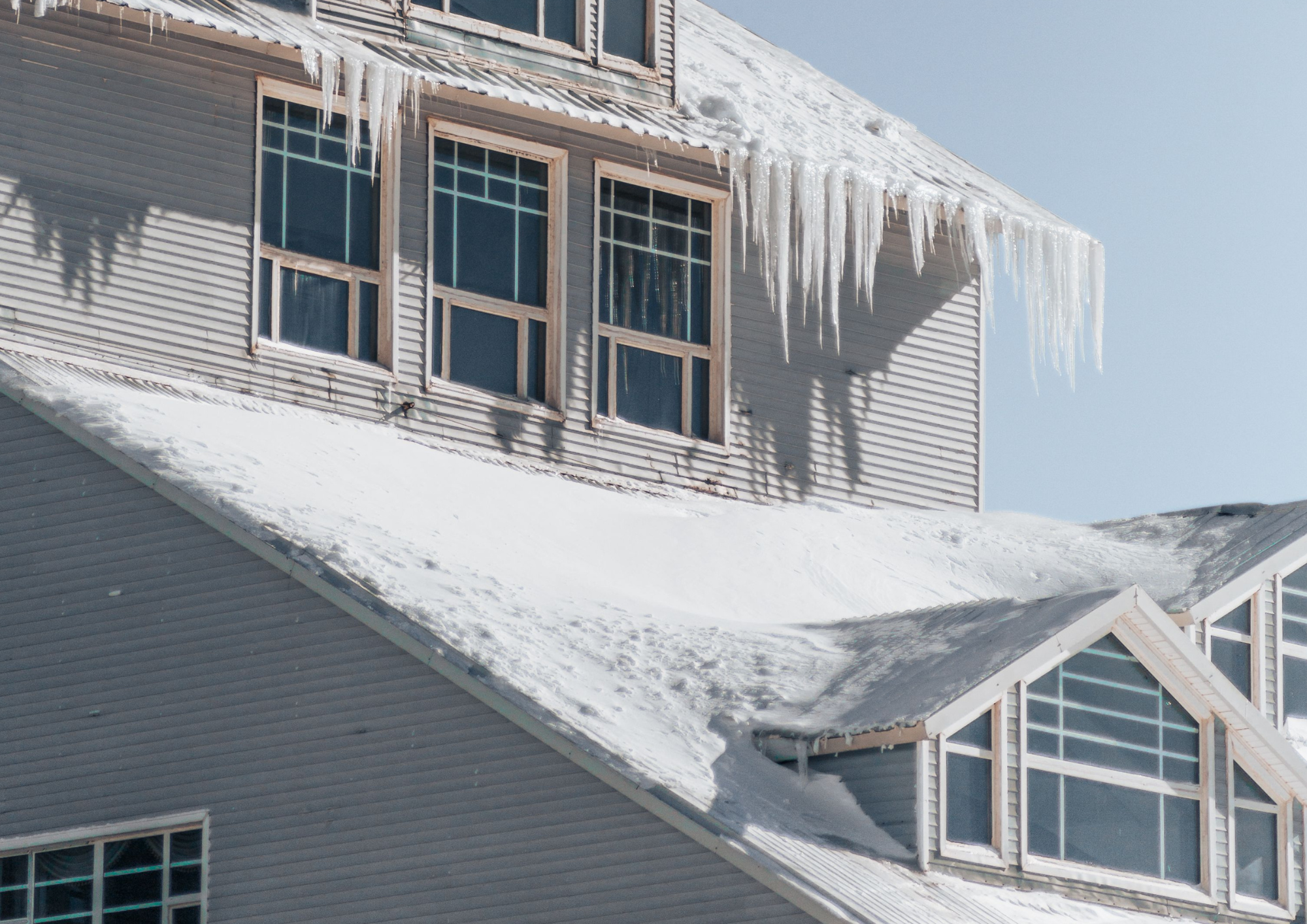
Southeast Michigan winters are notorious for quick freeze-thaw cycles that create heavy ice dams along roof edges.
Clean Gutter Lines: Clogged gutters trap melting snow, causing water to back up under your shingles and freeze. Clear out autumn leaves and debris before the first major snow event.
Inspect Shingles & Flashing: Look for loose, damaged, or missing shingles around chimneys and roof valleys.
Disconnect Outdoor Hoses: Drain outdoor spigots and shut off interior water shut-off valves leading outside. Trapped water expands when frozen, bursting pipes inside your basement or exterior walls.
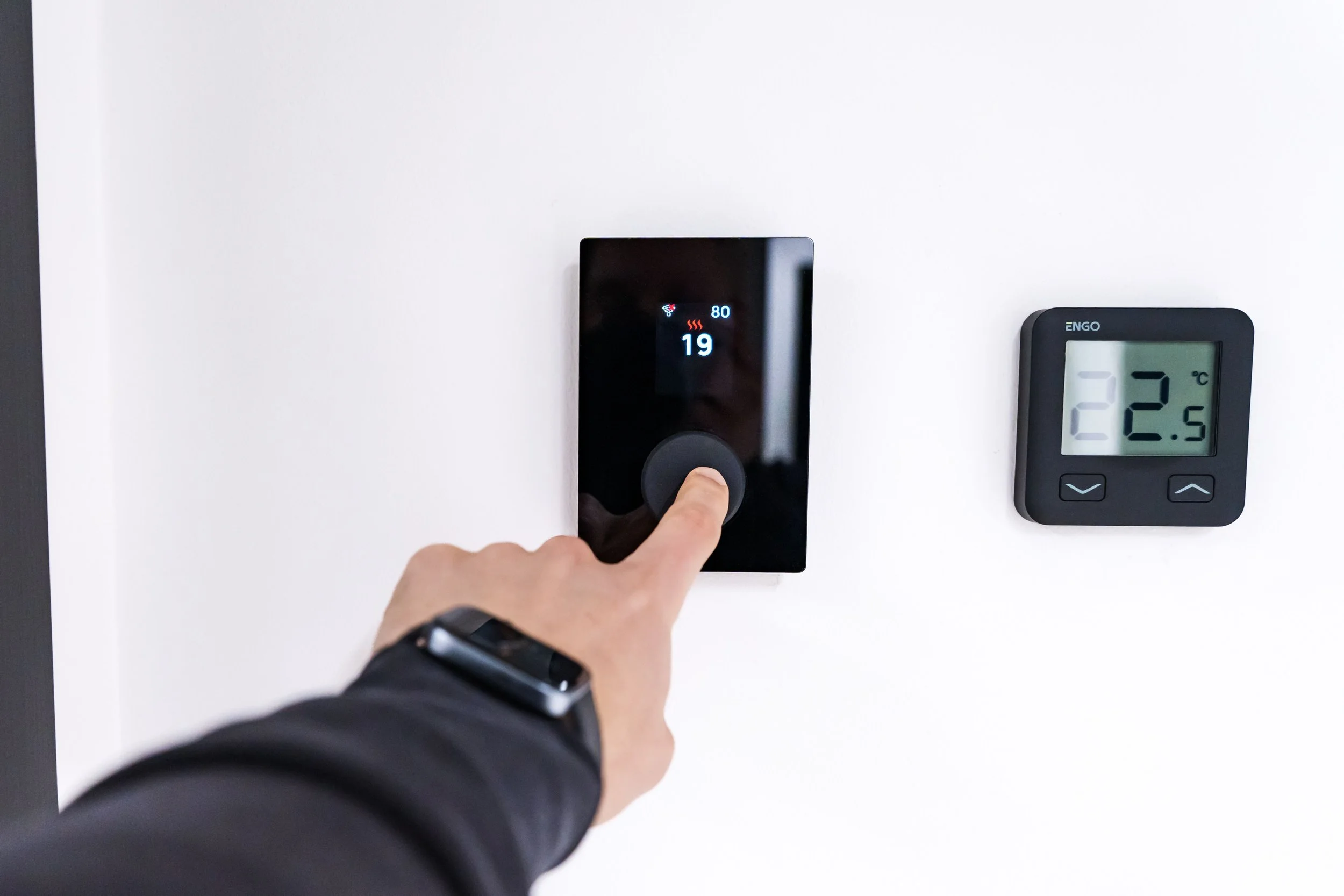
HVAC & Heating Maintenance: Optimize Efficiency
Your furnace works overtime from November through March. A few preventative steps ensure reliable heat and lower monthly heating bills.
Replace HVAC Filters: Change your furnace air filter every 30 to 90 days. A clean filter improves indoor air quality and prevents furnace strain.
Schedule a Professional Tune-Up: Have a licensed technician inspect your heat exchanger, ignition, and blower motor. You can explore available rebates for HVAC maintenance through local utility providers like DTE Energy.
Upgrade to a Smart Thermostat: Lowering your temperature setting by 7 to 10 degrees for 8 hours a day can save up to 10% annually on heating costs, according to guidelines from the U.S. Department of Energy.
Winter Safety & Emergency Readiness
Winter storms can bring high winds, heavy ice, and regional power outages.
Test Safety Detectors: Replace batteries in all smoke alarms and carbon monoxide detectors. Carbon monoxide risks increase during winter when heating systems and gas fireplaces operate full-time. Review winter power outage safety tips directly from Consumers Energy.
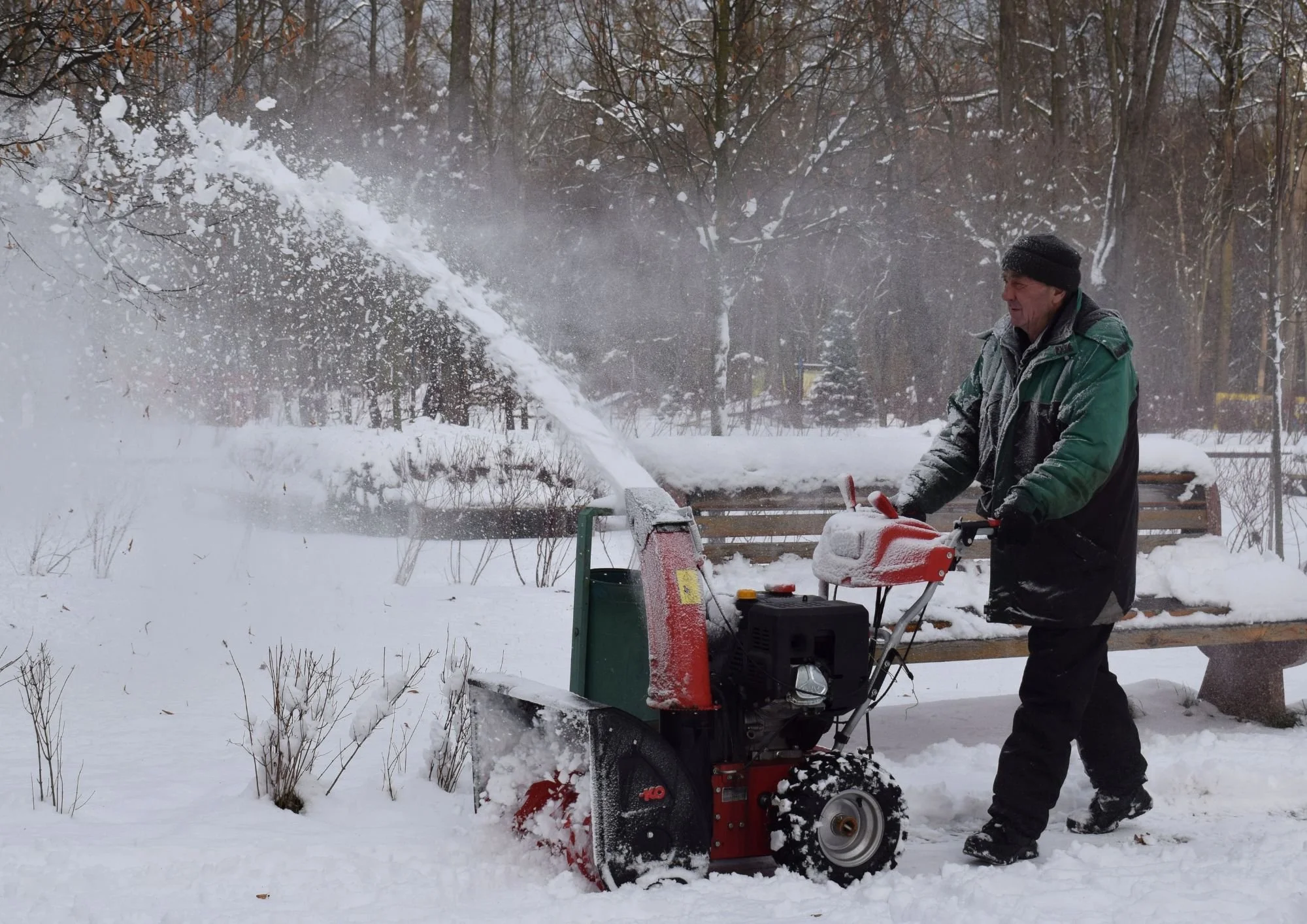
Service Snow Removal Equipment: Test your snowblower, inspect spark plugs, and buy fresh fuel before snow starts piling up. Stock up on pet-safe ice melt for driveways and walkways.
Trim Tree Branches: Cut back dead or overhanging tree limbs near rooflines, power lines, or driveways. Heavy ice accumulation can easily cause weak branches to snap.
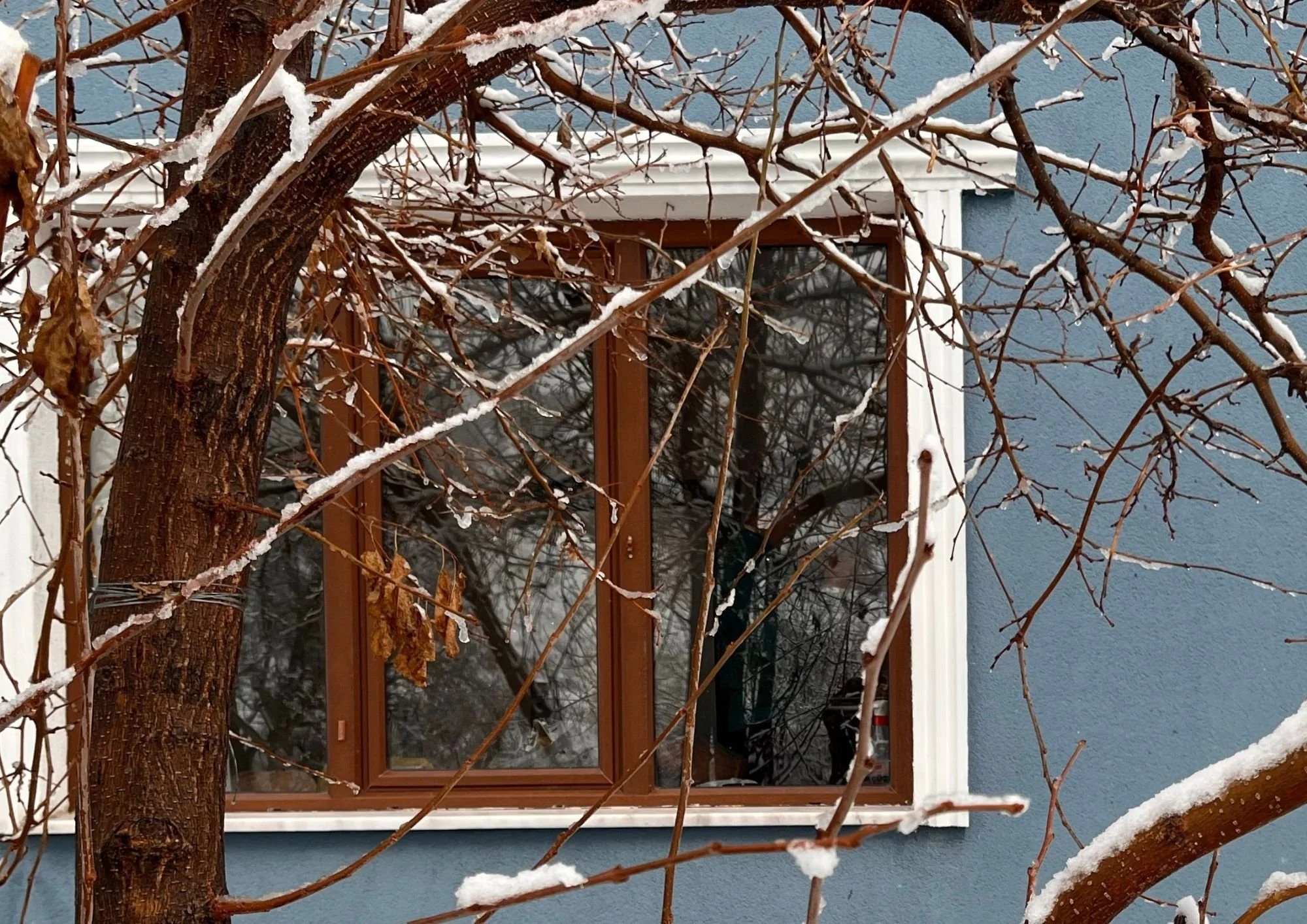
Check Your Windows and Doors for Drafts
If you notice a chilly breeze around your windows or exterior doors, winter is going to make the problem much more noticeable.
Walk around your home and check for obvious drafts. Pay particular attention to:
Exterior doors
Basement windows
Older windows
Door frames
Areas where utility lines enter the house
Weatherstripping and caulk can be inexpensive ways to address smaller gaps and drafts.
For older homes, fall can also be a good time to evaluate whether aging windows or doors are contributing to higher heating costs.
Inspect Your Roof
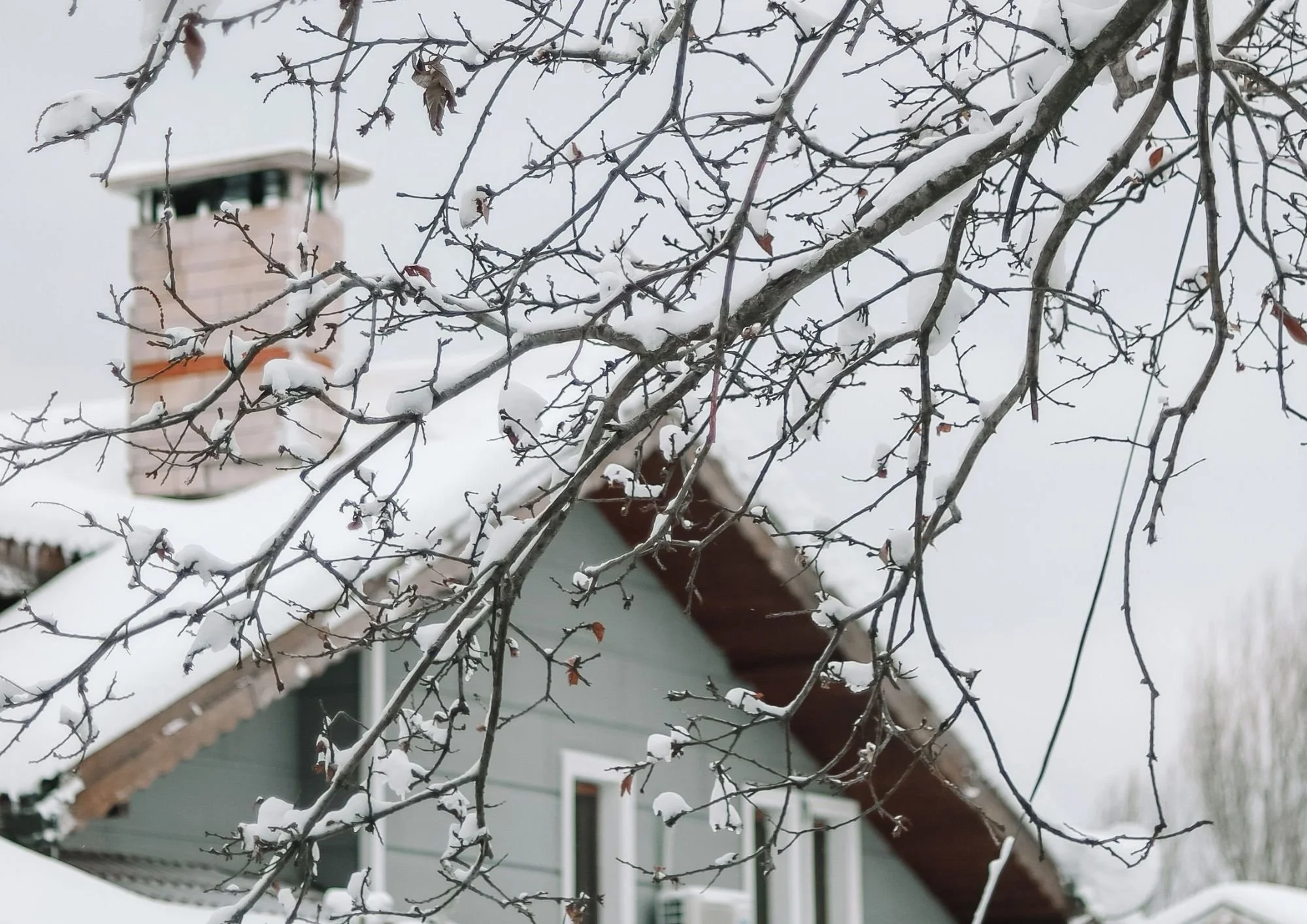
You don't necessarily need to climb onto your roof to give it a basic inspection.
From the ground, look for obvious signs of trouble such as:
Missing or damaged shingles
Sagging areas
Damaged flashing
Excessive moss or debris
Gutters pulling away from the roofline
If something doesn't look right, have a qualified roofing professional take a closer look before winter weather makes repairs more difficult.
Check Your Attic Insulation and Ventilation
Your attic plays a surprisingly important role in winter home maintenance.
Proper insulation helps keep warm air inside your living space, while appropriate ventilation helps manage moisture and temperature in the attic.
If your home has uneven temperatures, unusually high heating bills, or signs of moisture in the attic, it may be worth having the insulation and ventilation evaluated.
This is also one area where professional advice can be valuable. Adding insulation without considering ventilation and moisture can create other problems.
Check Your Sump Pump
For Metro Detroit homeowners with basements, your sump pump deserves some attention before winter.
Test the pump to make sure it's operating properly, and inspect the discharge line to make sure water can move away from the house.
If your basement relies heavily on a sump pump, consider whether a backup system or battery backup makes sense for your home.
A functioning sump pump can be especially important when winter snow eventually melts and spring rain arrives.
A Little Fall Maintenance Can Prevent Big Winter Problems
Preparing your home for winter doesn't have to be a giant maintenance project.
Start with the basics: protect your pipes, check your furnace, seal obvious drafts, clean your gutters, inspect your roof, and make sure your safety equipment is working.
Taking care of these items in the fall can help you avoid some of the most common and expensive cold-weather surprises once Michigan winter arrives.
And if you're thinking about buying or selling a home in Metro Detroit, winter preparation can also be a good reminder to look beyond the cosmetic details of a property. Understanding the age and condition of major systems, the roof, windows, insulation, plumbing, and drainage can help you make a more informed real estate decision.
Thinking about making a move in Metro Detroit? Gilson Home Group is here to help you evaluate your options and make your next move with confidence.
