
Selling a Mid-Century Modern Home in Michigan: How to Maximize Your Home’s Value
Mid-century modern homes have a strong and growing buyer base in Michigan. With their clean lines, open floor plans, and connection to nature, these homes stand out in a sea of traditional Midwest architecture. If you’re preparing to sell a mid-century modern property in Michigan, you’re in a great position, but getting top dollar requires the right strategy.
Below is a complete guide to maximizing your home’s value, appealing to the right buyers, and making sure your listing shines in the competitive Michigan real estate market.
Why Mid-Century Modern Homes Sell So Well in Michigan
Michigan has a rich inventory of mid-century architecture thanks to post-war development, proximity to design-driven institutions like Cranbrook, and a demand for functional, stylish homes. Buyers today seek out these properties for features such as:
Angular rooflines and clerestory windows
Open-concept layouts
Natural materials like wood, stone, and brick
Indoor–outdoor connections
Unique architectural details that can’t be replicated affordably today
Mid-century modern homes aren’t your typical cookie-cutter properties. The unique architectural aesthetic paired with connectedness to their natural surroundings have created a high demand with limited supply, attracting design-savvy buyers willing to pay a premium when the property has been well maintained.
1. Highlight the Architecture (Buyers Want the Story)
Mid-century buyers are motivated by design, authenticity, and the home’s history. Enhance your listing by:
Researching the original builder or architect
Showcasing original features like built-ins, beams, or preserved hardwood
Including architectural language in your listing description (e.g., “post-and-beam,” “floor-to-ceiling windows,” “minimalist lines”)
Using professional photos that emphasize the structure’s geometry
If your home has ties to a notable Michigan architect or builder, promote it. It can significantly increase buyer interest.
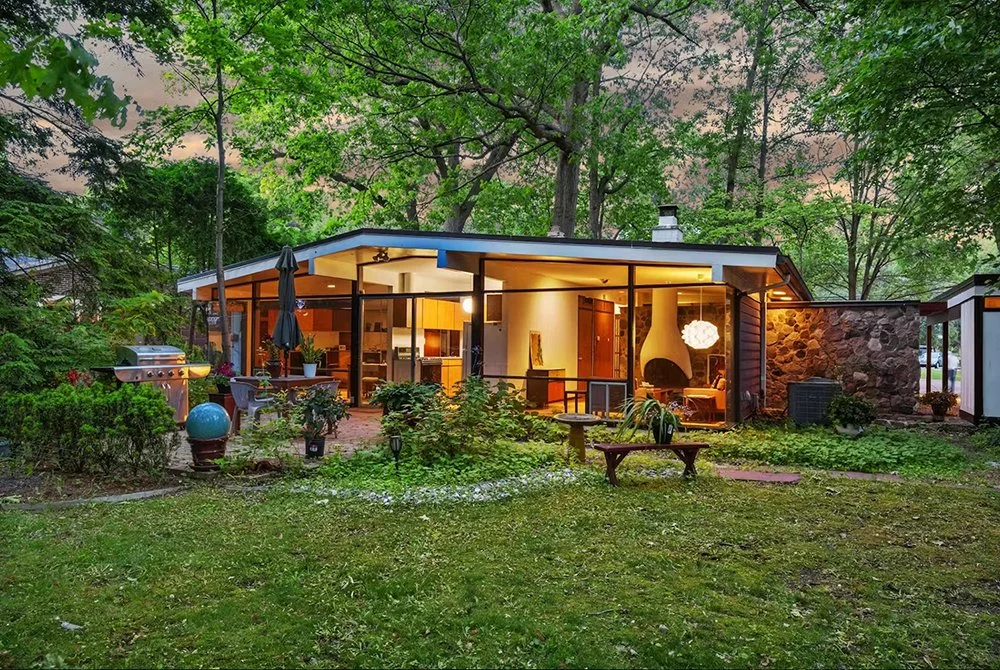
A thoughtfully preserved 1957 mid century modern ranch designed by noted architect Joseph St. Cyr, located in Dearborn Heights. The home was featured on the cover of September 1960’s Better Home and Gardens magazine.
This 1,236 square foot, two bedroom, one bath MCM gem, set on 0.28 acres, sold for $550k in June of 2025.
Photo credit: Leverage Real Estate Photography
2. Restore, Don’t Replace, Key Mid-Century Features
Modernizing a mid-century home doesn’t mean stripping its character. You’ll get more value by preserving original style while making smart updates:
High-ROI improvements for mid-century properties:
Refinish wood paneling instead of painting over it
Maintain existing brick or stone fireplaces
Repair, not replace, built-in cabinetry
Refresh, rather than remodel, the kitchen and bathrooms if they have mid-century charm
Polish or replace travertine or terrazzo floors if you’re lucky enough to have them
As a selling best-practice, undo any non-period updates when possible. If you are fortunate enough to access the home’s original blueprints, try to ensure that the original floorplan is intact without glaring additions or changes. Buyers often pay more for original details than for modern renovations that clash with the home’s design.
3. Boost Curb Appeal with Mid-Century Style Landscaping
Michigan’s seasonal weather can be harsh, but the right landscaping can help your home stand out year-round. Mid-century design emphasizes simplicity and symmetry, so choose plants and hardscaping that reflect that.
Consider adding:
Low-maintenance native shrubs
Clean, geometric planters
Sleek outdoor lighting
A bold, mid-century style front door
Modern house numbers to match the architecture
The American Society of Landscape Architects claimsgood landscaping can add 15–20% to your home’s value, especially when it complements the architectural style.
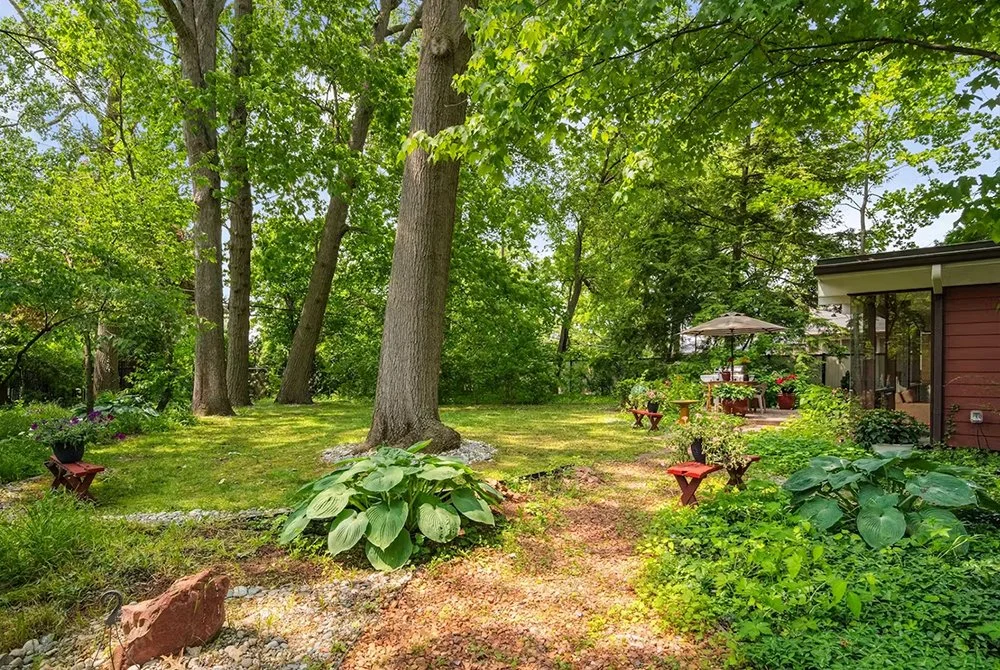
The Joseph St. Cyr-designed home is accompanied by a professionally landscaped, park-like backyard, mirroring the simplicity and serenity of the property’s interior.
Photo credit: Leverage Real Estate Photography
4. Make Energy Efficiency Updates (Michigan Buyers Love This)
Because many mid-century homes were built between 1945 and 1975, energy efficiency is often a concern for buyers, especially with Michigan’s cold winters.
High-value upgrades include:
New or restored high-efficiency windows
Improved insulation (attic, basement, crawl spaces)
Updated HVAC systems
Energy-efficient appliances
Smart thermostats
When selecting window updates, opt for a style that is as period-accurate as possible. Other energy efficiency updates, like insulation and HVAC, don’t affect the home’s overall look, and help buyers justify a higher offer.
5. Stage With Mid-Century Modern Decor
Staging makes a significant difference in how buyers perceive your home. When hiring a stager, look for someone who has an inventory of mid-century furniture to further the aesthetic:
Clean lines and uncluttered surfaces
Natural materials and neutral colors
Minimalist furniture
Statement lighting
Pops of color through art or accent pieces
You don’t need full-on retro decor, just enough to highlight the home’s style and architecture. The National Association of Realtors reports that staging can shorten time on the market and increase offers, with nearly half of all home sellers experiencing faster sales.
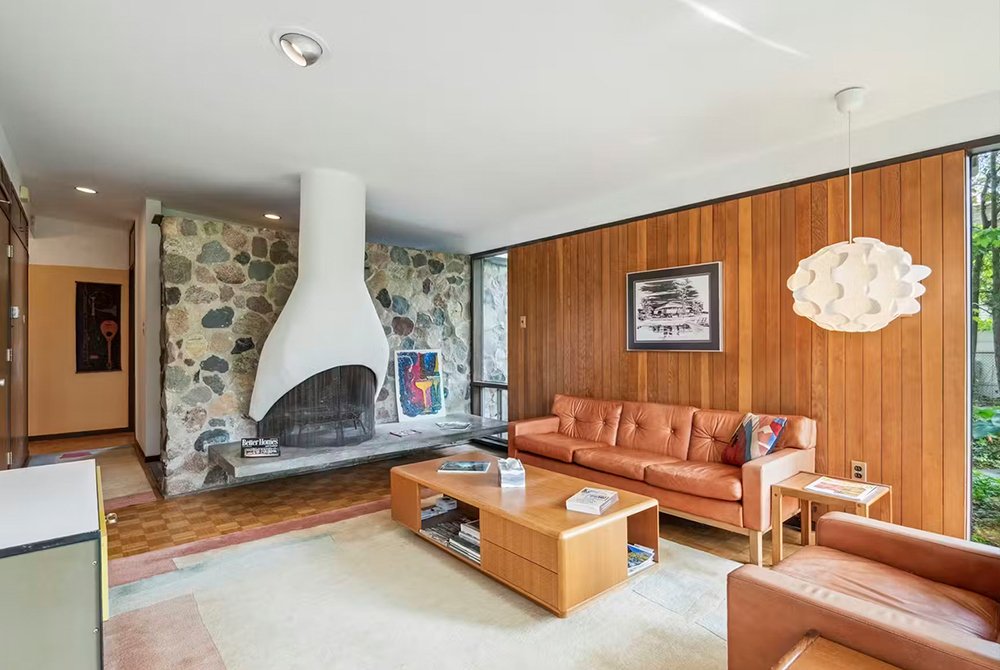
The home’s seller offered up original, MCM furniture as part of the sale, from well-known brands like Herman Miller and House of Denmark, mixed with contemporary pieces that fit the architectural feel.
Photo credit: Leverage Real Estate Photography
6. Price Strategically Using Comparable Mid-Century Sales
Mid-century modern homes don’t always fit neatly into standard comps because they attract a niche buyer pool, and often sell for more than traditional homes.
When pricing, look for comparables that share:
Architectural style
Size and layout
Condition and updates
Location (city, school district, proximity to amenities)
Because the market for mid-century homes is strong in many Michigan cities, including Ann Arbor, Grand Rapids, Lansing, Ferndale, Birmingham, Bloomfield Hills, and Holland, the right pricing strategy can trigger a bidding war.
7. Choose an Agent Experienced with Mid-Century Properties
Not all real estate agents understand how to market a mid-century modern home. A knowledgeable agent will:
Recognize the architectural value
Know how to attract design-focused buyers
Market on platforms where mid-century fans browse
Use targeted language in listings
Price appropriately based on unique characteristics
The Gilson Home Group has deep experience with Michigan’s mid century modern housing stock and the buyers who love it. If you’re considering buying or selling a mid mod home anywhere in Metro Detroit or across Michigan, reach out—we’re happy to talk through your specific property, neighborhood, and goals.
Final Thoughts
Selling a mid-century modern home in Michigan isn’t like selling a typical property, it’s selling a piece of architectural history. When you preserve design elements, make thoughtful updates, and market to the right audience, you can maximize your home’s value and stand out in Michigan’s competitive real estate market.
