
What Should You Fix Before Selling Your House in Metro Detroit?
By Rick Rochte, Good Company Realty
One of the first questions homeowners ask when they're thinking about selling is:
"What should I fix before I put my house on the market?"
It's an important question, but there's an equally important distinction to make first:
Preparing a home for sale and renovating a home are two very different things.
I've seen sellers spend thousands of dollars improving things buyers didn't particularly care about while overlooking inexpensive details that could have made a much bigger difference in how the home showed. Before you start calling contractors, replacing countertops or planning a major renovation, it helps to look at the house through a buyer's eyes.
Start With Something Surprisingly Simple: Clean
If you're looking for one of the highest-return efforts you can make before selling, start with an exceptionally clean house.
Not ordinary clean. Really clean.
Windows should be spotless. Floors and baseboards should shine. Kitchen cabinets and appliances should be squeaky clean. Bathrooms should look and smell freshly cleaned.
Why does this matter?
Because buyers aren't simply seeing cleanliness. They're forming an impression about how the house has been cared for.
A meticulously clean home can suggest conscientious maintenance. A dirty or neglected-looking home can create the opposite impression, even when the underlying house is perfectly sound.
And that judgment begins almost immediately after a buyer walks through the door.

Decluttering Can Sometimes Be More Valuable Than Renovating
Here's where things become important.
Before buying new kitchen counters, clear off the counters you already have.
Before replacing furniture, consider whether there's simply too much furniture in the room.
The objective isn't to make your house sterile. It's to make it easier for prospective buyers to imagine their life in the house rather than yours.
That generally means reducing excess furniture and household items, family photographs, collections and highly personalized decor, religious or other very personal items, and the assorted "tchotchkes" most of us accumulate over the years.
Closets deserve the same attention.
A closet packed from floor to ceiling doesn't necessarily tell a buyer, "These people own a lot of stuff." It may tell them: "This house doesn't have enough storage."
Creating some breathing room can change that perception without changing the house at all.
Fix the Things That Create Questions
When it comes to actual repairs, I generally look first at things that may cause a buyer to wonder what else is wrong.
A dripping faucet, damaged trim, peeling paint, a door that doesn't close properly or something that's obviously broken may be inexpensive to correct.
Left uncorrected, however, those little defects can plant a larger question: "If they didn't take care of this, what else didn't they take care of?"
That's why small deferred-maintenance items can sometimes matter disproportionately.
What About the Roof, HVAC, Plumbing or Electrical?
Larger issues require a different analysis.
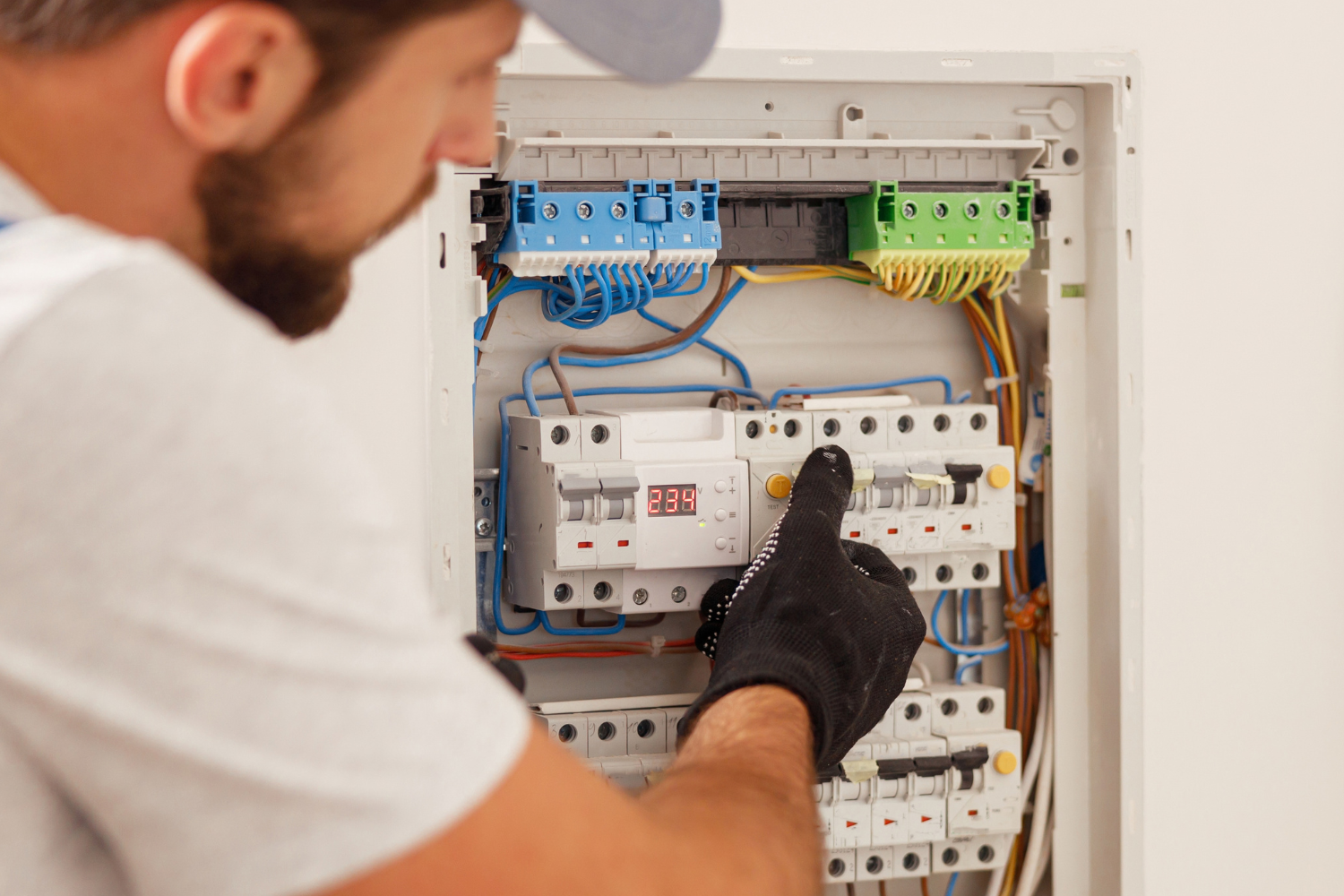
A problem involving a roof, heating and cooling system, plumbing or electrical system may need to be addressed before the property goes on the market.
But discovering a problem doesn't automatically mean you should fix or replace everything.
First determine: What is actually wrong? How is a likely buyer going to react to it? How could it affect the sale? What will correcting it cost?
Only then can you make an informed decision about whether to repair it, replace it, price around it or address it another way.
Don't Put a Dime In Just to Get a Dime Out
This is something I tell sellers frequently.
If we're going to spend money before selling, I'd like that money to accomplish at least one of two things:
Remove an objection that could hurt the sale.
Improve the home's marketability enough to justify the expense.
A $30,000 kitchen renovation doesn't automatically make financial sense simply because the kitchen is dated.
Perhaps the cabinets are perfectly serviceable. Paint, new hardware, flooring, a backsplash or a thorough cleaning might dramatically improve the presentation for a fraction of the cost.
There's another problem with renovating for resale: The kitchen you choose may not be the kitchen your eventual buyer would have chosen.
Sometimes refreshing wins.
A Real Metro Detroit Example
I recently listed a ranch in Madison Heights that illustrates the distinction.
Instead of automatically gutting dated areas and starting over, improvements were selected based on how they would affect the way buyers experienced the property.
The hardwood floors were refinished. The interior was freshly painted. The kitchen received painted cabinets, new flooring and a backsplash. The bathroom was updated, and the exterior deck was refinished.
Collectively, those improvements changed how the house presented itself without assuming that every dated component needed to be ripped out and replaced.
That's the objective: Prepare the home for the market rather than renovate it for an imaginary buyer.
So, What Should You Fix Before Selling?
There isn't one universal checklist.
The right answer depends on the particular house, its condition, the neighborhood, its likely price range, current market conditions and the other homes with which it will be competing.
A repair that makes sense for one property may be wasted money on another.
That's why I recommend having someone evaluate the house before you begin spending substantial money preparing it for sale.
The conversation shouldn't begin with: "What could we fix?" It should begin with: "What should we fix, what should we leave alone, and where will our time and money do the most good?"
Thinking About Selling a Home in Metro Detroit?
If you're considering selling but aren't sure what needs to be done first, I'm happy to walk through the property with you before you start calling contractors.
The purpose isn't to create a giant home-improvement list. It's to help determine what may actually matter to buyers, what probably doesn't, and where your preparation dollars are most likely to make a difference.
