
Your Guide to New Construction vs. Older Homes in Metro Detroit
Should you buy a new home or repair an old one?
New construction may offer some advantages right from the start, but there’s something to be said for an older home that has been thoughtfully remodeled. In Metro Detroit, the choice often comes down to more than just price: it’s about location, character, maintenance, and what you want from your home long term.
Let’s take a look at where new homes are being built, where older homes with character still line the streets, and what each has to offer. In this article, consider new homes as being built within the last 10-20 years and older homes being built before 1970. We’ll explore the benefits of each type of home, the potential drawbacks, and their locations in metro Detroit, including current listings in today’s market.
New Home Advantages
Designed for Modern Living
The first advantage of owning a new home in Metro Detroit is that they are often designed around the way buyers live today. Open-concept kitchens and living spaces, first-floor primary suites, dedicated laundry areas, attached garages, larger closets, and outdoor entertaining spaces are common features. Newer homes may also incorporate updated insulation, windows, HVAC systems, electrical, and plumbing, along with energy-efficiency standards that were not part of older construction. Buyers may have the opportunity to choose finishes or add upgrades, allowing them to personalize parts of the home before moving in.
Less Repairs
The most obvious benefit is that many of the home's major components are new at the time of purchase. Buyers are typically starting with little to no repairs which can save the buyer a lot of time and effort. Newer homes may also come with builder warranties, which can provide additional coverage during the first few years of ownership. A deal like this can take a lot of the stress out of ownership.
Newer Community Features
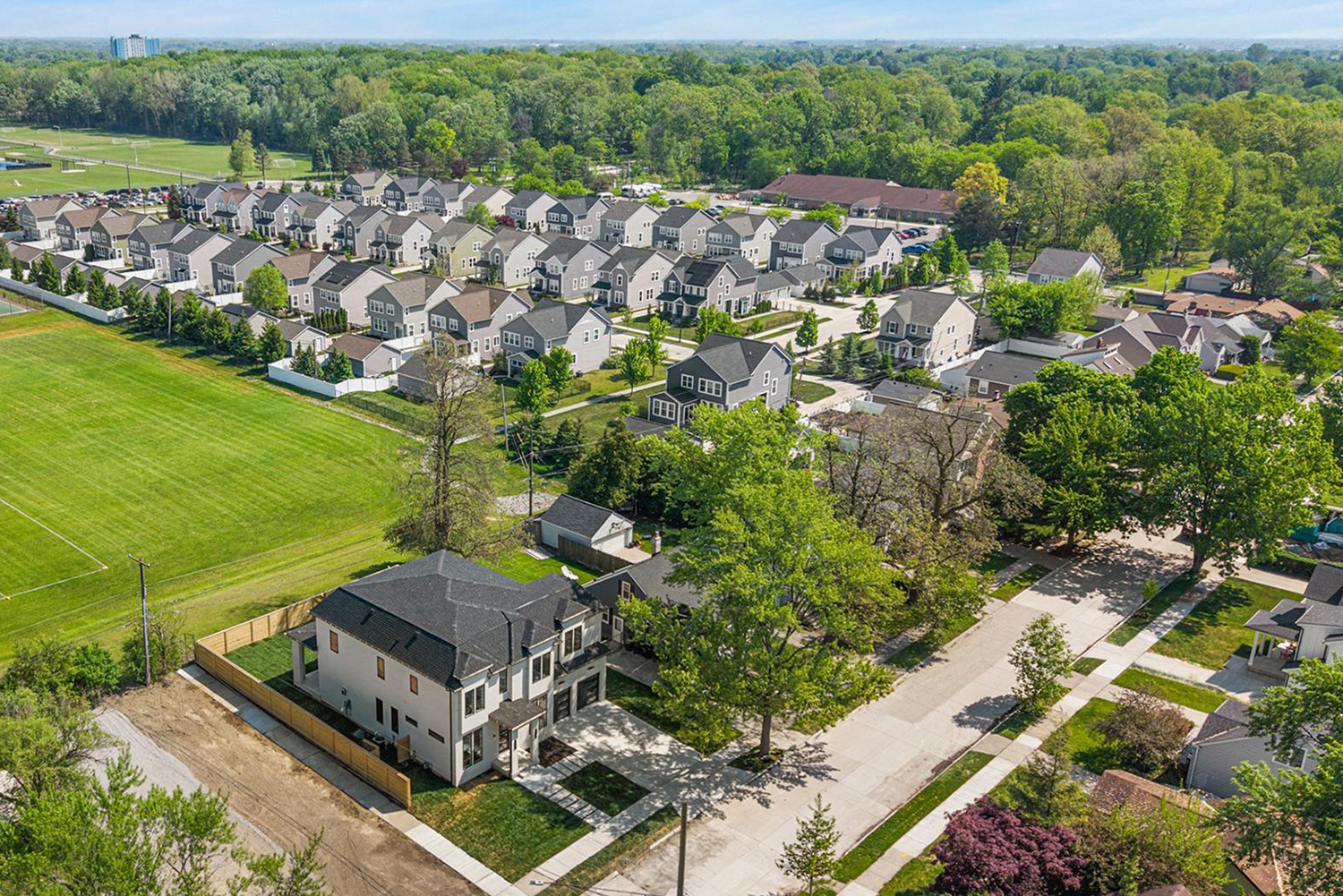
One final benefit of recently developed homes in Metro Detroit is the opportunity to be part of a newer community. Some developments are built with features such as sidewalks, walking paths, community pools, clubhouses, or shared green spaces. Newer developments may also be located near growing shopping, dining, schools, and major roads, giving buyers access to amenities that have developed alongside the neighborhood. For buyers who enjoy a more consistent neighborhood layout and newer community features, this can be an important part of the appeal.
New Home Tradeoffs
Higher Upfront Costs
One of the biggest considerations is the upfront cost of a new home. In Metro Detroit, new construction can come at a significant premium, especially in desirable locations where land is limited and builders are creating larger, higher-end homes. While they can be found at a range of price points, some of the newest homes in areas such as Royal Oak, Birmingham, Northville, and parts of Detroit are reaching $1 million or more. That means buyers are not simply paying for a newer house; they may also be paying for the location, size, finishes, amenities, and demand surrounding that new construction.
Less Neighborhood Maturity
Another consideration is the neighborhood's environmental structure. With newer construction, the natural and architectural elements surrounding it may not have the same sense of history or character as an established community. New subdivisions often have younger trees, newer landscaping, and homes built around a similar time period, so they may not have the variety or charm found in older neighborhoods. While a community can develop its own character over time, buyers looking for historic details, mature landscaping, or a neighborhood with decades of history may find more of those features in an established area.
Older Home Advantages
Character of the Home
Older homes can offer original features that are difficult to recreate in new construction. Depending on the home, buyers may find solid wood doors, detailed trim and molding, built-in cabinetry, stained glass, fireplaces, hardwood floors, or other craftsmanship that gives the home a distinct sense of character and individuality.
Established Neighborhoods
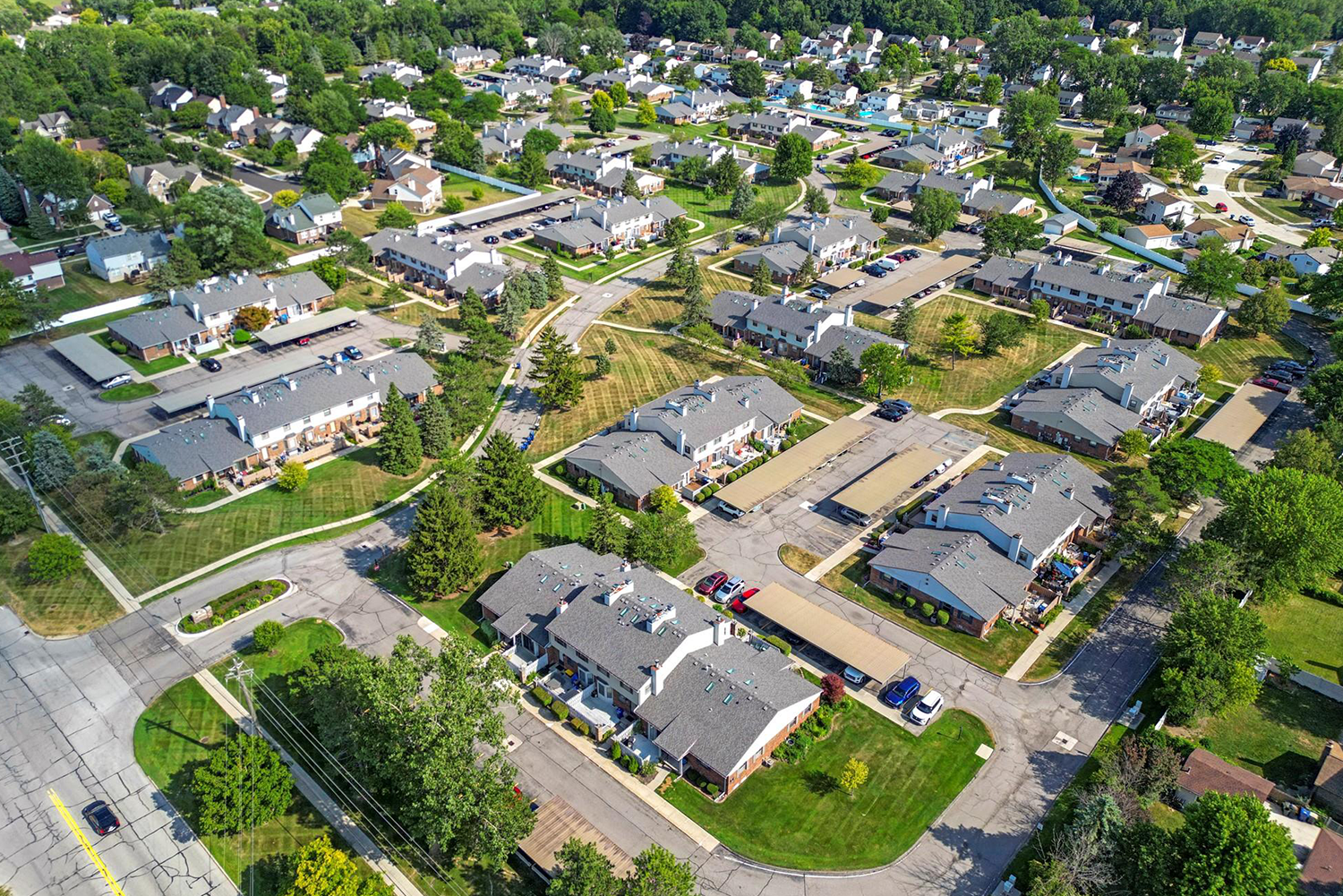
Another advantage is the setting that comes with an established neighborhood. Older communities often have mature trees, established landscaping, sidewalks, and streets that have developed over decades. They may also be close to long-standing local businesses, parks, schools, and other amenities. For buyers who value a neighborhood with history and a sense of place, these features can be an important part of the appeal of an older home.
Systems & Infrastructure
Older homes can also offer opportunities to improve the home's infrastructure as part of a remodel. Electrical, plumbing, insulation, HVAC, windows, and other systems may have already been upgraded, allowing buyers to benefit from modern improvements while keeping the home's original structure and character. In some cases, remodeling an older home also allows owners to improve energy efficiency and functionality without having to start with a completely new structure.
Older Home Tradeoffs
May Need Updates
At the same time, an older home's features can vary considerably depending on how it has been maintained or remodeled. During a remodel, some of the major systems may have been replaced, including the roof, HVAC, electrical, plumbing, windows, or insulation. Other remodeled homes may have updated kitchens and bathrooms while retaining original floors, trim, doors, or other architectural details that could come with extra repairs.
Modern-Day Inconveniences
Older homes were often designed around a different way of living, so their layouts may not include some of the features buyers commonly look for today. For example, laundry may be located in the basement rather than on the main or bedroom level, garages may be detached or located farther from the house, and closets and bathrooms may be smaller. Buyers may also find narrower doorways, more stairs, and less open living space. These features can sometimes be changed during a remodel, but other times they are an essential part of the home’s structure.
Where Can You Find Older Homes?
Metro Detroit has no shortage of established communities where older homes have been maintained, remodeled, or completely transformed over the years. In areas such as Birmingham, Bloomfield Hills, Grosse Pointe, Royal Oak, Troy, and Warren, buyers can find homes from a range of construction eras, including many properties built before 1970. Some of the area's more established and prestigious residential communities are known for larger lots, mature landscaping, distinctive architecture, and homes that have been updated while maintaining their original character.
These areas are not limited to older homes. New construction is also appearing within established neighborhoods through infill development, where new homes are built on vacant lots or replace older properties. This gives buyers the opportunity to find remodeled older homes and brand-new construction within the same community.
Where Is New Construction Happening?
Larger new subdivisions are more common in areas with room for residential development, including parts of Novi, Northville, South Lyon, Lyon Township, Plymouth Township, Rochester Hills, Macomb Township, and Shelby Township. These communities offer homes built within the last several years, often with modern layouts and features.
Many newer homes include open-concept living spaces, larger kitchens, first-floor primary suites, attached garages, updated mechanical systems, and outdoor living areas. Depending on the development, buyers may also have access to amenities such as pools, walking paths, or clubhouses.
Current Listings
An Older Royal Oak Home vs. New Construction
These two homes are in Royal Oak, MI. They both provide an example of how new homes and old homes compare to each other in Metro Detroit.
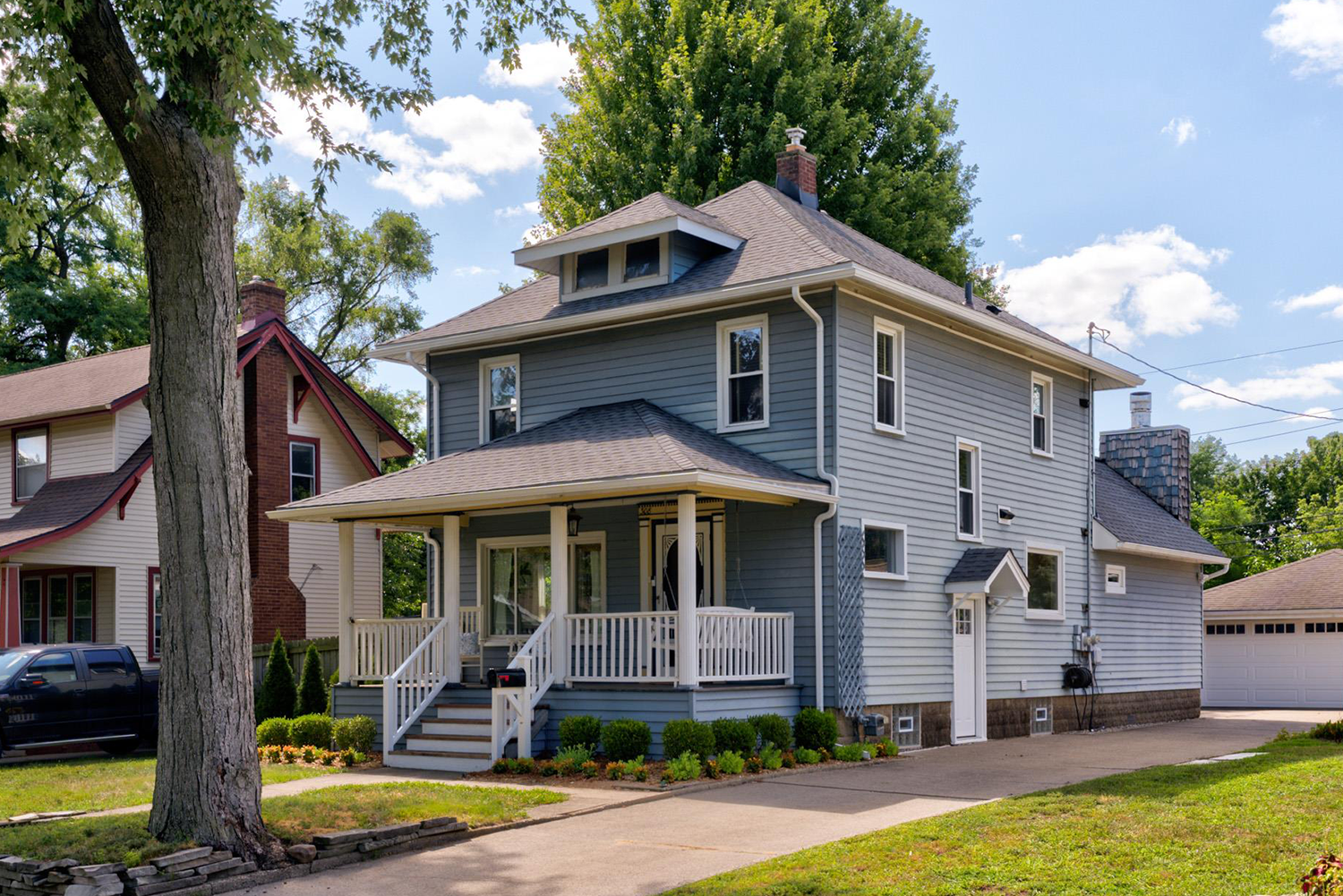
This home on Lawrence Avenue shows how an older property can offer a combination of classic character, comfortable living spaces, and practical features. Built in 1920, the three-bedroom, two-bath home offers 1,612 square feet of living space and sits on a 7,405-square-foot lot.
The home includes features such as a stone fireplace, hardwood flooring, a formal dining room, two living areas, and a large kitchen. A finished basement adds additional usable space, while a large attic provides extra storage or potential for future use. Outside, a large deck extends the living space into a private backyard, while the detached two-and-a-half-car garage includes a workbench. The open lot behind the property adds another appealing element to the outdoor space.
For buyers comparing different styles of homes, this property illustrates the appeal of an established Royal Oak home: you can get the character and craftsmanship associated with an older house while still having the space and functionality needed for everyday living.
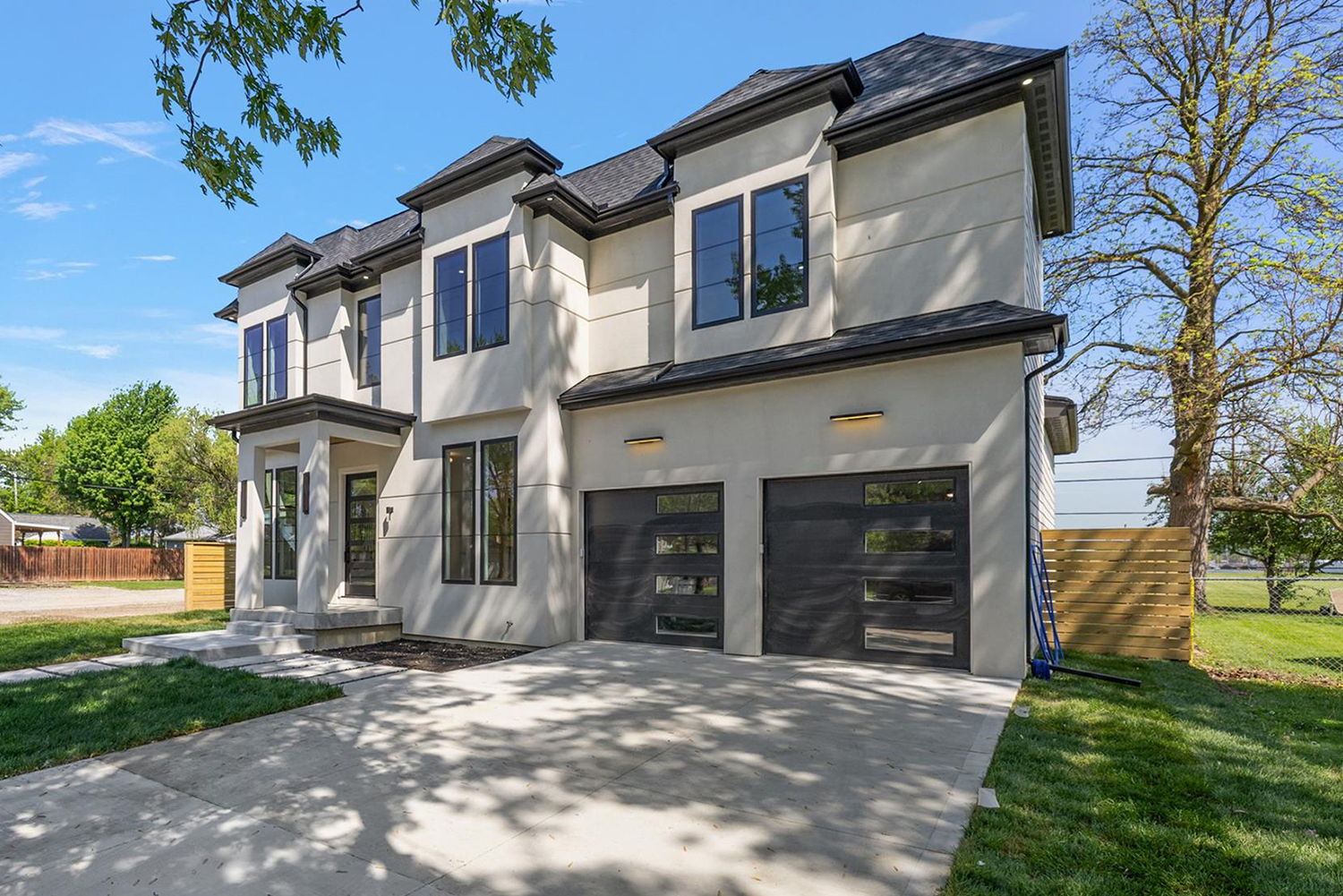
This home on Windemere Avenue offers a very different experience from the older Royal Oak property. Built in 2026 by Sunnyside Homes, the approximately 4,500-square-foot home has 4 bedrooms, 5 full bathrooms, and 1 half bathroom, along with a finished basement and a 2.5-car attached garage with an EV charging station. The home is designed around modern living, with hardwood floors, custom moldings and woodwork, 10-foot ceilings, and an open-concept kitchen with stainless-steel appliances, a pot filler, and a large quartz island.
The second floor continues that modern approach with a large primary suite, custom walk-in closet, and en-suite bathroom, while the additional bedrooms each have their own bathrooms. The finished lower level provides additional living space and another full bathroom, while the covered patio and backyard create space for outdoor entertaining.
Compared with the older Royal Oak home, Windemere demonstrates some of the main advantages of new construction: larger living spaces, updated systems and a layout designed around the way buyers choose to live today. The older home, on the other hand, offers thoughtful design and an established setting while incorporating updates that make it more functional for modern living.
The difference is also reflected in the price. At approximately $1.3 million, the Windemere property is significantly more expensive than the older Royal Oak home at approximately $525,000. However, buyers are also getting substantially more square footage and a newly built home with modern features from the start. This comparison shows why buyers should consider not only the age of a home, but also how much space, convenience, character, and future maintenance they are getting for their investment.
So, should you buy a new home or repair an old one?
In Metro Detroit, there are a variety of communities and lifestyles to fit your needs. From the historic neighborhoods of Royal Oak, Ferndale, Birmingham, and Grosse Pointe to newer developments throughout Oakland, Macomb, and Wayne counties, buyers can find dramatically different homes just a short drive apart. A newer construction may offer the open floor plans, modern finishes, energy-efficient systems, and low-maintenance living many buyers want. However, an older Metro Detroit home can offer something different: established neighborhoods, mature trees, larger lots, distinctive architecture, and the character that comes from decades of history, and with the right renovations, that older home can be transformed to deliver many of the conveniences of new construction without giving up what made the neighborhood desirable in the first place. Remember to do your research and look at the property’s renovation history.
FAQs
How much does it typically cost to renovate an old home in Metro Detroit?
Renovating an older home in Metro Detroit can range from a relatively manageable update to a major investment, depending on the home's condition and how much you want to change. Current Detroit-area cost estimates put whole-home renovations at roughly $18,500 to $73,000, with an estimated average of around $45,000.
How do I find out about hidden costs?
The best way to identify potential costs is to have the home thoroughly inspected and review available property records, disclosures, and estimates for any needed repairs. Ask qualified professionals to evaluate major systems and obtain written estimates for significant work. Buyers should also consider costs such as property taxes, insurance, utilities, maintenance, and planned renovations when budgeting for a home.
What is the average price for a new home in Metro Detroit?
The price of a new home can vary significantly depending on the community, builder, home size, lot, and finishes. As a 2026 benchmark, Realtor.com reported a median listing price of approximately $511,000 for urban new construction in the Detroit-Warren-Dearborn metro area. This figure represents urban new construction and should not be viewed as the average price of every new home across Metro Detroit.
Who should I contact to help me with repairs?
For repairs or renovations, consider contacting a licensed and insured contractor or qualified trade professional who specializes in the work your home needs. For larger projects, it may also be helpful to get multiple estimates and verify the contractor's credentials, references, and insurance before hiring.
Ready to start your home buying journey?
Click here to view more listings in Metro Detroit and beyond!
