
What to Look for When Buying a Mid-Century Modern Home in Michigan
Insights for Savvy Buyers and Sellers from Gilson Home Group
Mid-Century Modern homes are architectural legends, celebrated for their clean lines, seamless indoor-outdoor living, and timeless aesthetic. In Michigan’s vibrant real estate market, authentic mid-century modern properties are treasured not only for their design but also for their investment potential. Whether you’re searching in Ann Arbor, Birmingham, Bloomfield Hills, Grosse Pointe, or Detroit’s historic neighborhoods, here’s what any smart buyer and seller should know before making a move.
1. Recognize True Mid-Century Modern Architecture
Authentic Mid-Century Modern homes, typically built between the late 1940s and mid-1970s, embody a set of signature design elements that distinguish them from contemporary or “modern-inspired” builds.
Key architectural features to spot:
Flat or low-pitched roofs with deep overhangs
Expansive glass walls and clerestory windows that blur indoor and outdoor spaces
Open floor plans that maximize flow and light
Integration with nature and site orientation to embrace the landscape
Mixed materials (wood, stone, metal) with minimalist detailing
These features are more than aesthetic. They define the lifestyle promise of MCM living: openness, simplicity, and harmony with nature.
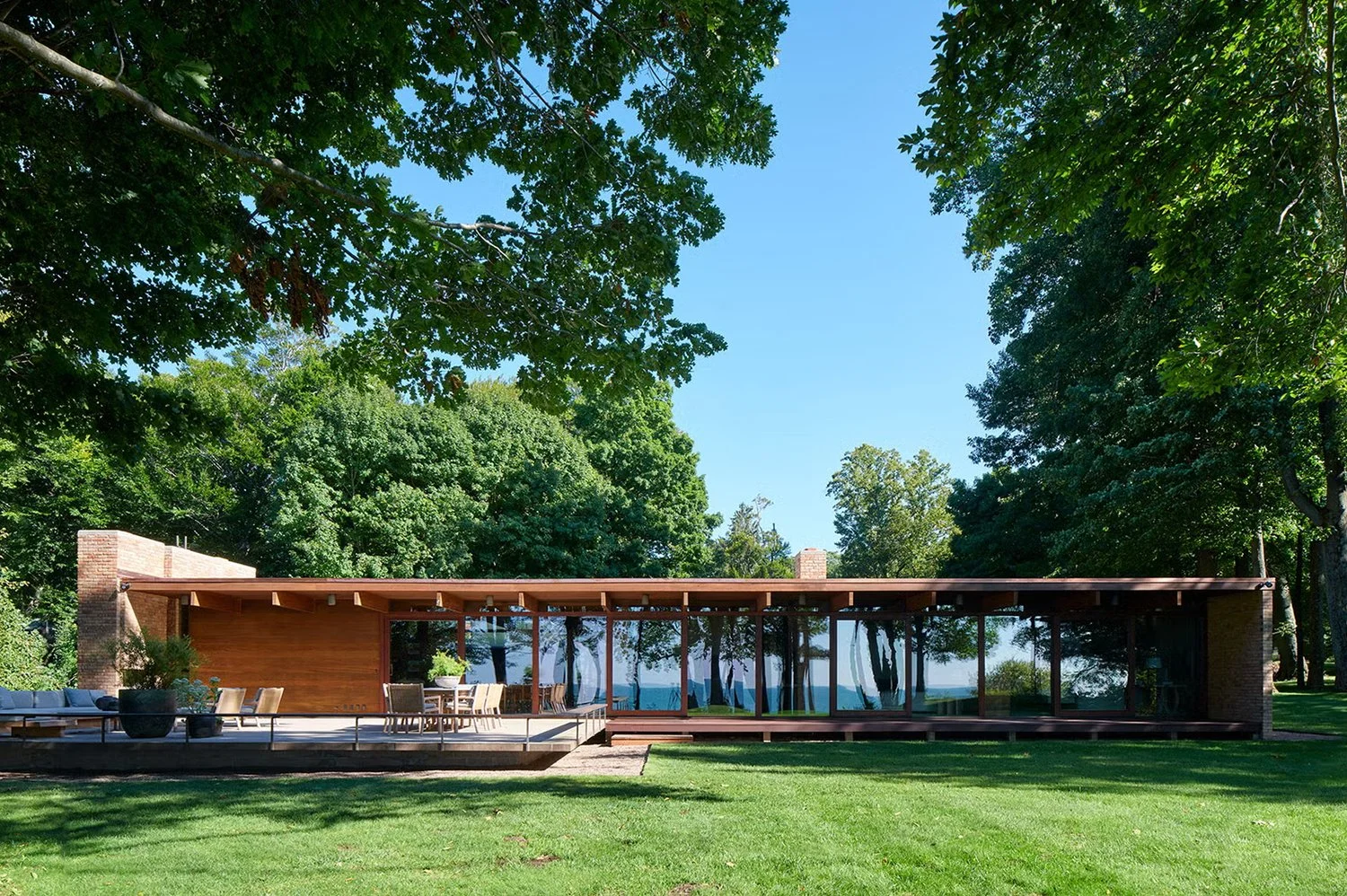
Photo credit: Elle Decor
2. Prioritize Location and Site Characteristics
In Michigan, location remains key. A mid-century home on a wooded lot, with views of water or green space, often commands a premium, especially when historic neighborhoods like Palmer Woods, Indian Village, or mid-century enclaves in Oakland County are considered.
What to look for:
Established neighborhoods with strong schools and long-term value
Site orientation that enhances natural light and outdoor living potential
Topography that complements dramatic architectural lines
A home’s setting, from wooded natural lots near lakes to walkable urban blocks, significantly influences desirability and resale value.
3. Inspect the Structure and Systems Carefully
Authentic mid-century homes were created in a different era of building standards, so even well-maintained properties may have outdated systems.
System areas to evaluate:
Roof and drainage: Flat or low-slope roofs are iconic but can have drainage challenges that require updates.
Windows & glazing: Original steel or aluminum windows may not be energy efficient, yet they define the style. Plan for careful upgrades with preservation in mind.
HVAC & insulation: Many MCM homes lack modern insulation and central HVAC, presenting both an upgrade opportunity and an architectural preservation challenge.
Electrical & Plumbing: Homes of this era may have outdated electrical panels or galvanized plumbing, which can impact safety and performance.
Foundation & slab: Slab-on-grade construction (common in many mid-century homes) can hide mechanical elements and complicate upgrades.
Tip for buyers: Look for a home inspector experienced in mid-century properties. They’ll identify what’s cosmetic versus what’s an actual structural concern.
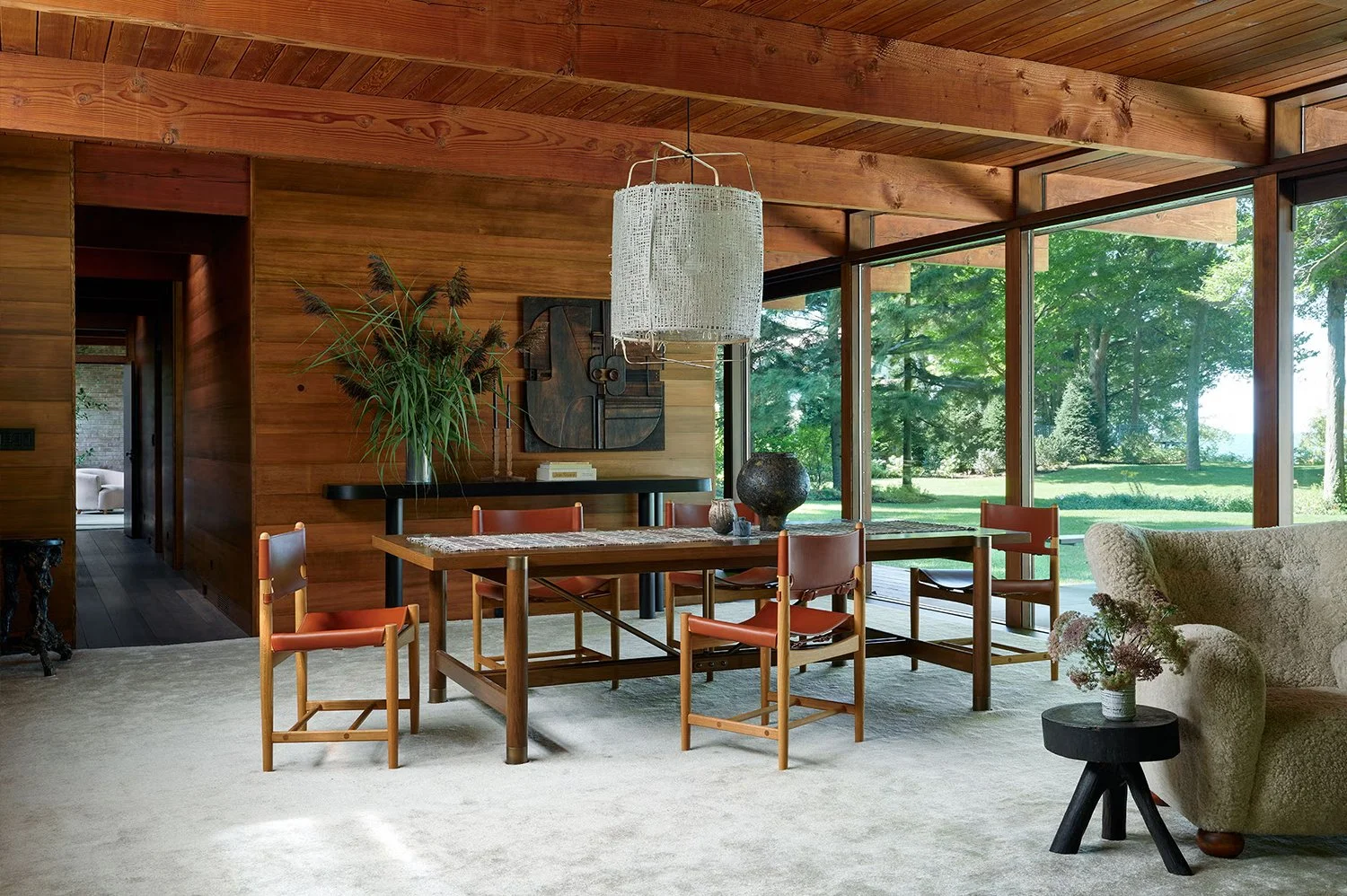
Photo credit: Elle Decor
4. Value Original Character, But Know What’s Replaceable
One of the pitfalls in mid-century home buying is valuing surface upgrades over architectural integrity. A freshly remodeled kitchen might look great, but if original built‐ins, windows, or structural elements were removed, the long-term value could be diminished.
Preservation priorities:
Seek homes with original floor plans, built-ins, and classic MCM materials
Use historic photos, blueprints, or past listings to benchmark alterations
Where updates are necessary, choose materials and finishes that enhance rather than erase the original design
Michigan buyers who appreciate the authentic mid-century ethos often find that a slightly dated home with original architecture is a better deal than a “modernized” version.
5. Understand Market Value and Investment Potential
Authentic mid-century modern homes remain highly desirable in affluent markets because they are relatively scarce and architecturally distinctive. As demand grows, driven by buyers seeking timeless design and quality construction, these homes often hold value or appreciate at strong rates relative to generic housing stock.
Selling or buying with a knowledgeable agent who understands the unique appeal of MCM homes, like Gilson Home Group, can unlock strategic pricing, marketing, and negotiation advantages.
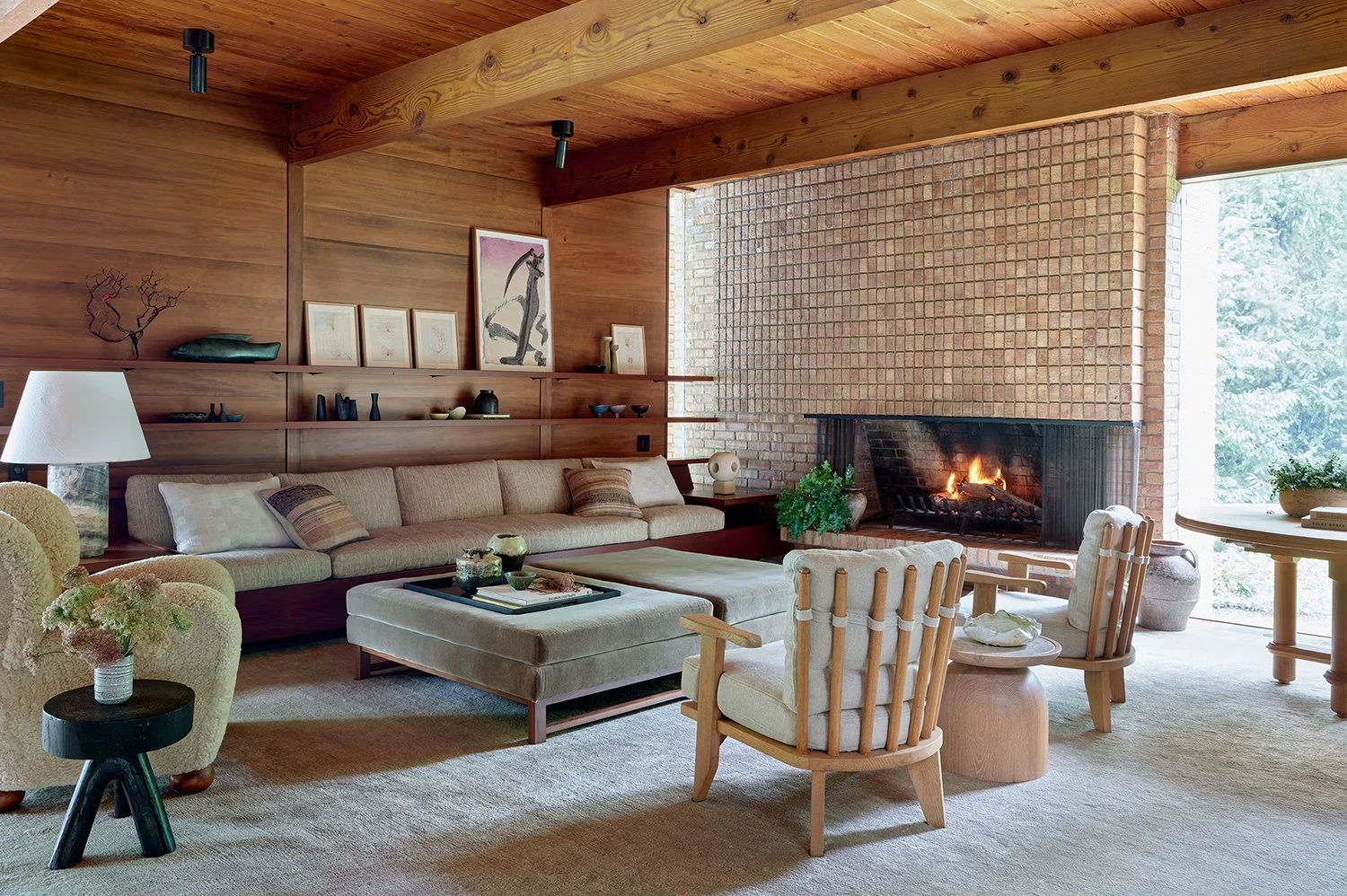
Photo credit: Elle Decor
Final Thoughts: Expert Guidance Makes the Difference
Mid-Century Modern homes in Michigan are architectural treasures, but they require experience and insight to ensure lasting satisfaction and value. Whether you’re buying your dream mid-century ranch in Bloomfield Hills, or selling a classic modernist gem in Ann Arbor, Gilson Home Group has the knowledge, architectural appreciation, and real estate expertise to guide you confidently.
Ready to explore Mid-Century Michigan real estate? Contact Gilson Home Group today and meet your expert partners in MCM living.
